Before she created one of fashion’s most recognizable contemporary brands, Jasmin Larian Hekmat was already surrounded by creativity, storytelling and design.
Today, she is known as the founder and creative force behind Cult Gaia — a label famous for sculptural accessories, feminine silhouettes and pieces that feel like wearable art. But long before the viral Ark bag became a fashion favorite, Larian Hekmat was learning about fashion through a very different world: Bratz dolls.
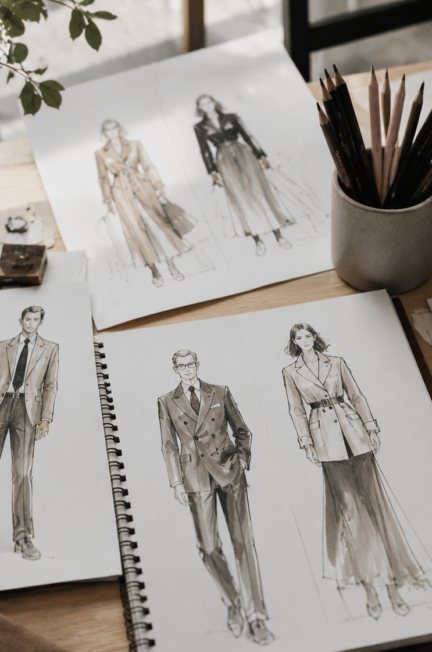
Growing up as the daughter of MGA Entertainment founder Isaac Larian, Jasmin spent much of her childhood surrounded by designers, sketches, fabrics and creative discussions. During school breaks, she would visit the company offices and help create mood boards, choose fabrics and explore ideas for different Bratz collections.
Those early experiences became an unexpected design education.
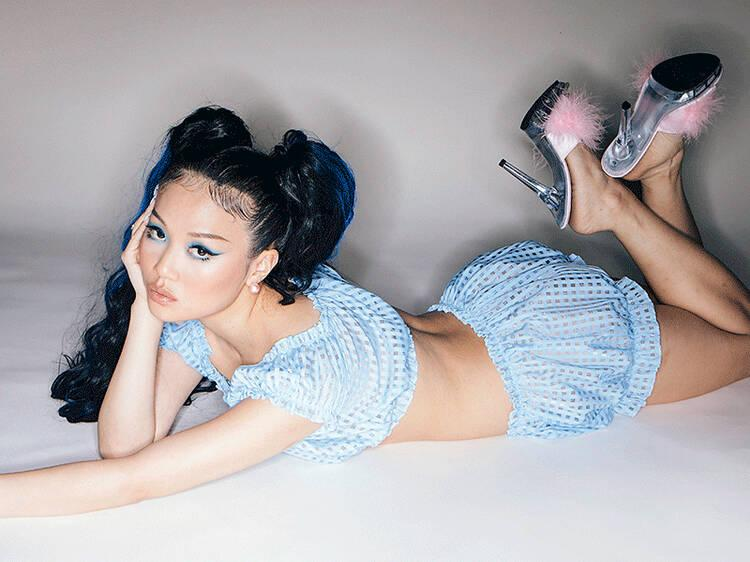
Bratz was never just a toy brand. With bold makeup, confident personalities and fashion-forward outfits, the dolls represented individuality and self-expression. That playful attitude later became part of the creative DNA behind Cult Gaia.
From Miniature Fashion to Cult Gaia’s Modern Femininity
When Jasmin Larian Hekmat launched Cult Gaia, she was not simply creating another fashion label.
She wanted to create objects that felt special — pieces that could become part of someone’s identity.
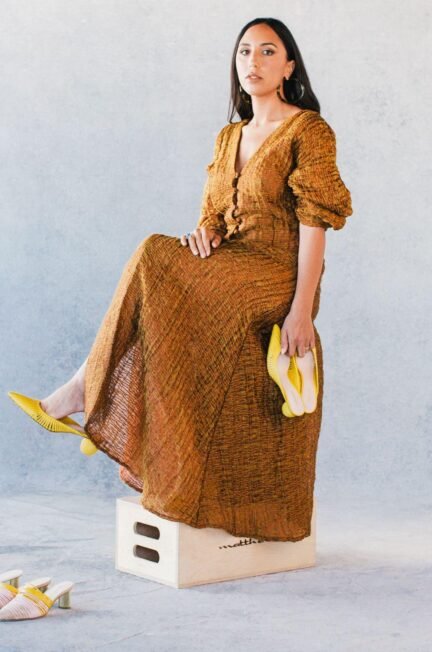
The brand first gained global attention through its iconic Ark bag, a sculptural bamboo handbag that quickly became a recognizable fashion moment. What started as a unique accessory eventually expanded into ready-to-wear collections, shoes, bridal and lifestyle pieces.
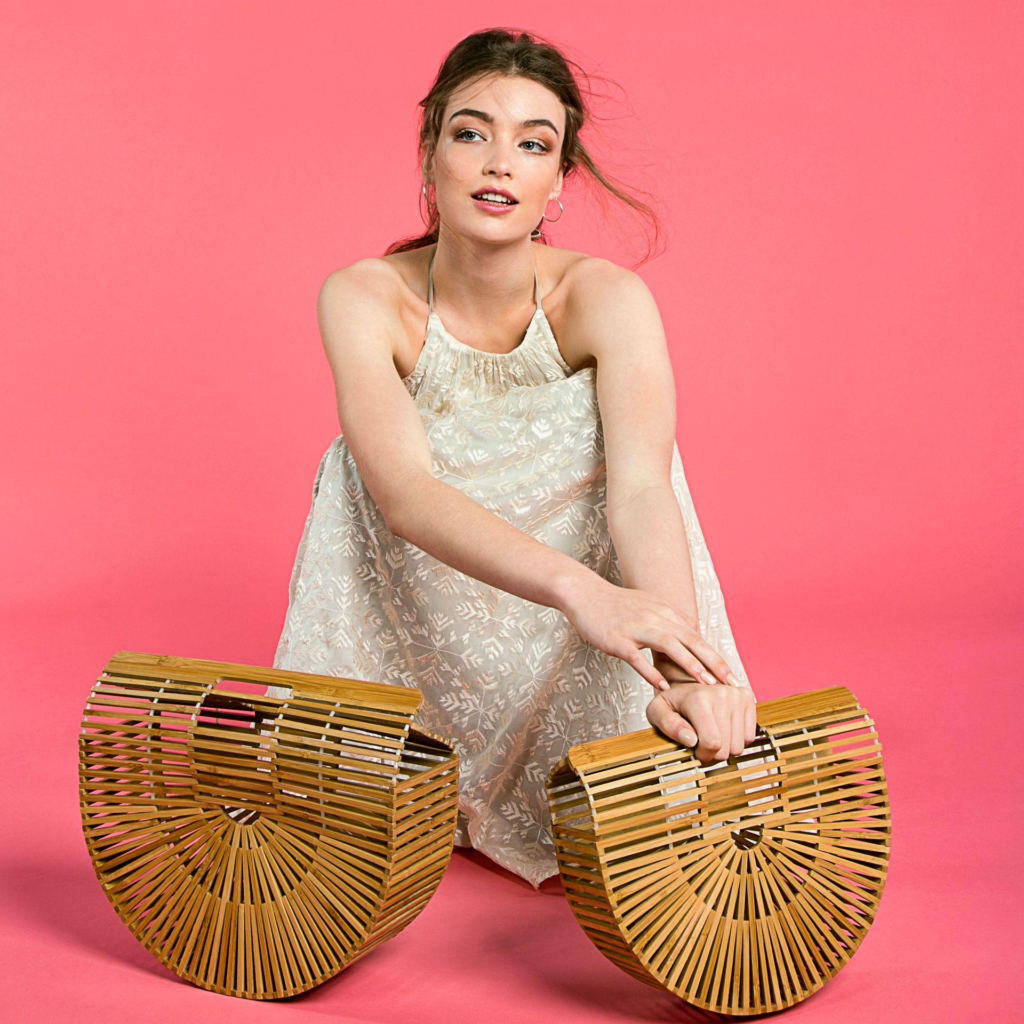
The connection between Bratz and Cult Gaia may seem surprising at first, but the similarities are clear.
Both worlds celebrate confidence, imagination and a sense of fantasy.
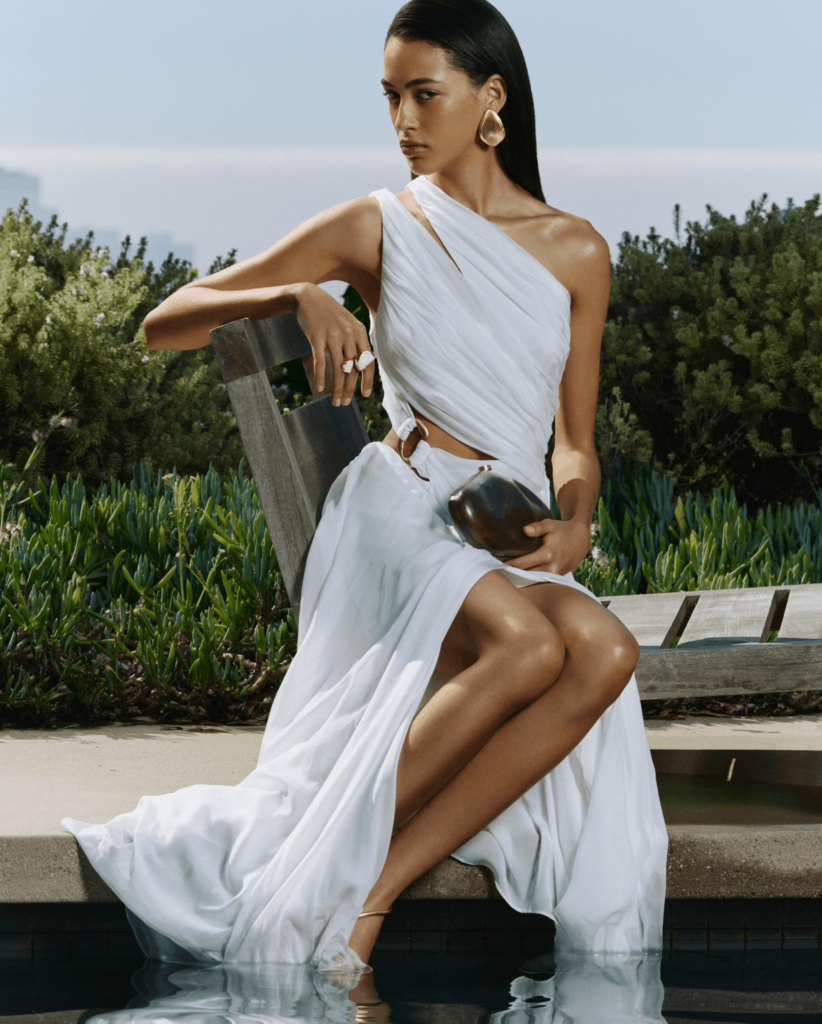
While Bratz expressed this through exaggerated proportions, bold styling and playful characters, Cult Gaia translates the same energy into a more mature fashion language — flowing dresses, dramatic silhouettes and accessories that feel almost like sculptures.
Creating Fashion With “Main Character Energy”
One of the most interesting parts of Jasmin’s design philosophy is the idea that clothing should create a feeling.
A Cult Gaia piece is rarely designed to simply blend into the background. Whether it is a statement handbag, a dramatic dress or a unique silhouette, each item carries a sense of personality.
The goal is not just to wear fashion.
It is to become part of the story.
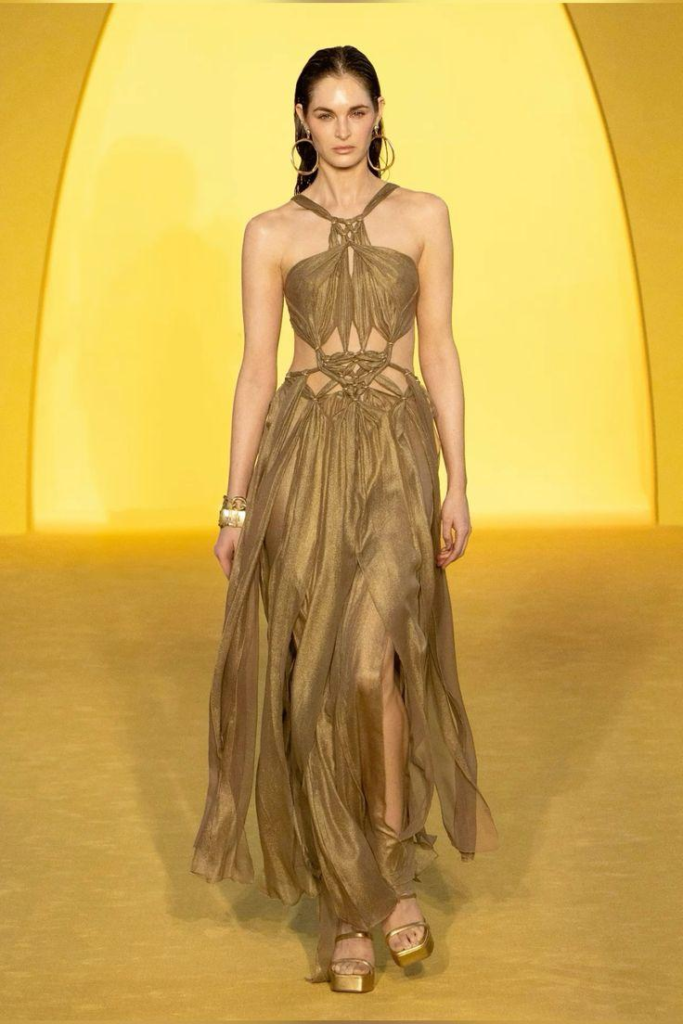
This approach reflects the lessons she learned from Bratz — fashion as a form of expression rather than a set of rules.
The dolls encouraged a generation to experiment with style, mixing different pieces and creating their own identities. That same idea continues in Cult Gaia’s collections through unexpected shapes, bold details and playful elements.
The Power of Creativity Passed Through Generations
Jasmin’s story is also about growing up around creativity.
Her mother was a fashion designer and artist, while her father built a global entertainment company. Being surrounded by people who created characters, clothing and visual worlds gave her an unusual perspective from an early age.
Instead of seeing fashion as only clothing, she learned to see it as world-building.
A dress can create a mood.
A handbag can become an icon.
A brand can become a universe.
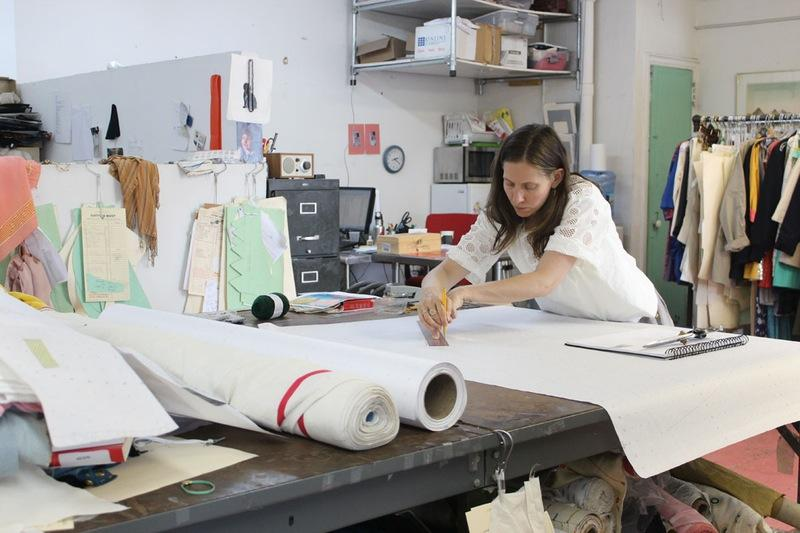
That philosophy explains why Cult Gaia feels different from many contemporary brands. The designs often carry a sense of fantasy, but they remain connected to everyday femininity.
They are romantic but modern.
Playful but sophisticated.